
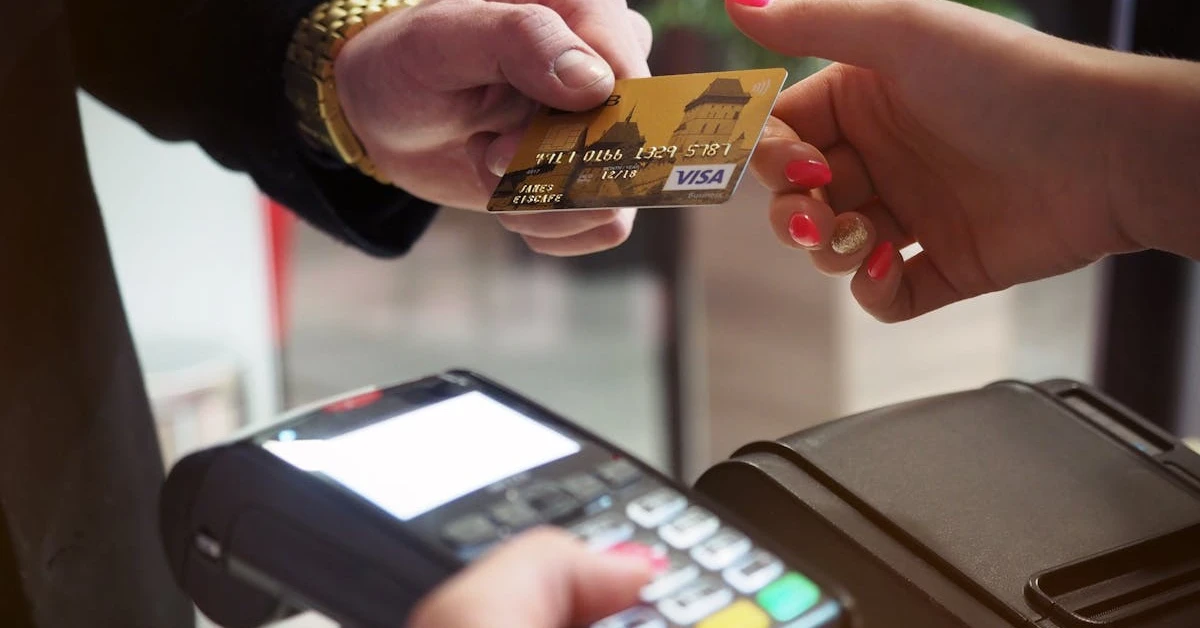
What is unsecured debt?
Unsecured debt is a loan that does not require collateral. The lender has no claim to any of your assets if you fail to repay. They rely entirely on your promise to pay.
Credit cards are the most common example. When you use your card, the issuer extends credit without taking a security interest in anything you own. Personal loans, payday loans, utility bills, and medical bills all work the same way.
The lack of collateral makes unsecured debt riskier for lenders. That risk shows up in higher interest rates. It also means creditors cannot automatically seize your property if you default. They have to take you to court first.
The difference matters when things go wrong. A mortgage lender can repossess your house. A credit card company has to sue you, win, and then figure out how to collect.
Consumer debt versus non-consumer debt
Unsecured debt falls into two categories: consumer and non-consumer. The distinction matters when you file for bankruptcy or a consumer proposal.
Consumer debt includes most personal borrowing. Credit cards, payday loans, medical bills, and utility arrears are all consumer debts. So are personal lines of credit and most personal loans.
Non-consumer debt includes business loans, student loans, and debts owed to the government. Child support, spousal support, and court-ordered fines also fall into this category. Some of these debts survive bankruptcy.
Student loans are only discharged if you have been out of school for seven years or more. That catches a lot of people off guard.
As of Q3 2024, Canadian consumers owed $2.54 trillion in total debt, a 4% increase year-over-year, with average non-mortgage debt per consumer at $21,810.
Source: Equifax Canada
Common types of unsecured debt
Credit card debt
Credit card debt is the most widely held unsecured debt in Canada.
In any given month since January 2016, about 46% of Canadian credit card holders on average have carried a balance on their credit cards for at least two consecutive months, fluctuating between 42% and 49%.
Source: Bank of Canada
Credit cards are useful for emergencies. They become a problem when you use them to cover everyday expenses you cannot afford. The debt builds, the interest mounts, and the minimum payment no longer covers the interest charge.
Payday loans
Payday loans are short-term loans, typically due on your next payday, and have historically been among the most expensive forms of borrowing in Canada.
As of January 1, 2025, the federal government capped the total cost of borrowing for payday loans at $14 per $100 borrowed under the new Criminal Interest Rate Regulations. The overall criminal interest rate was also lowered from 60% effective annual rate to 35% APR.
Source: Criminal Interest Rate Regulations (SOR/2024-114)
People who turn to payday loans are usually already struggling. The loan provides temporary relief, but the repayment deadline creates a new crisis. Many borrowers take out another payday loan to cover the first one, and the cycle repeats.
Medical bills
Canada’s public healthcare system covers many services, but not all. Prescription drugs, dental work, physiotherapy, and some medical devices are not covered unless you have private insurance. A root canal typically costs $500 to $1,500 without insurance (or $1,500 to $3,000 including a crown). An MRI at a private clinic runs $500 to $1,500 depending on the area scanned.
Medical debt is often unexpected. You were not planning for it, and you do not have the cash saved. That is when people turn to credit cards or payment plans, and a health problem becomes a debt problem.
Utility bills
Everyone needs gas, electricity, and water. Utility companies extend credit by providing the service before you pay the bill. If you miss a payment, you owe an unsecured debt.
Utility arrears are more common than people think. A missed bill, a price increase, or a drop in income can leave you behind. Some utility companies disconnect service if the arrears are not cleared.
Student loans
Student loans help people access post-secondary education. The federal government and provincial governments issue most student loans in Canada. Private lenders also offer student loans, though these are less common.
Student loan debt becomes a problem when graduates cannot find work or earn less than expected. The repayment period begins six months after you leave school, whether or not you are employed.
As of 2024, the average Canadian student loan debt at graduation was approximately $29,000. Repayment periods typically last 10 years.
Source: Statistics Canada – National Graduates Survey, 2024
Secured debt versus unsecured debt
Secured debt is backed by collateral. Mortgages and car loans are secured debts. If you default, the lender can seize the asset without suing you.
Unsecured debt has no collateral. The lender cannot automatically take your property. They have to sue you, win a judgment, and then enforce it through wage garnishment or a lien.
The table below shows how the two compare side by side.
| Feature | Secured debt | Unsecured debt |
|---|---|---|
| Collateral required | Yes (house, car, etc.) | No |
| Interest rates | Lower (less risk for lender) | Higher (more risk for lender) |
| Default consequence | Lender seizes asset directly | Lender must sue first |
| Common examples | Mortgages, car loans | Credit cards, payday loans, medical bills |
| Priority when money is tight | Paid first (to keep asset) | Often falls behind |
When money is tight, people prioritise secured debts because they do not want to lose their home or car. Unsecured debts fall behind, and that is when the collection calls start.
What happens if you default on unsecured debt
Defaulting on unsecured debt does not mean the creditor can seize your assets immediately, but it does not mean you escape consequences either.
Collection agencies
Creditors often sell overdue accounts to collection agencies. These agencies contact you by phone, email, and mail. Some are aggressive, and some break the rules.
You can report illegal collection practices to your provincial consumer protection office. Each province sets rules on when and how collectors can contact you.
Wage garnishment
Creditors can sue you for unpaid debt. If they win, they get a court judgment. With that judgment, they can garnish your wages, and your employer is required to deduct a portion of your paycheque and send it directly to the creditor.
Wage garnishment limits vary by province. In Ontario, creditors can garnish up to 20% of your net wages under the Wages Act. In Alberta, the first $800 of monthly net income is exempt, 50% of income between $800 and $2,400 can be garnished, and income above $2,400 can be garnished in full under the Civil Enforcement Act.
Sources: Wages Act, R.S.O. 1990, c. W.1 and Civil Enforcement Act, R.S.A. 2000, c. C-15
Liens on property
A creditor who wins a judgment can register a lien against your real property. This turns the unsecured debt into a secured debt. If you try to sell or refinance your home, the lien must be paid first.
Liens do not force an immediate sale, but they complicate your financial life. They also attach interest, so the debt grows while the lien is in place.
Credit report damage
Late payments, defaults, and collection accounts all appear on your credit report. As of 2025, they stay there for six years in most provinces. This makes it harder to borrow, rent an apartment, or pass employment background checks.
How to handle unsecured debt you cannot repay
If you cannot keep up with unsecured debt, ignoring it makes things worse. The interest keeps adding up. The collection calls keep coming.
A Licensed Insolvency Trustee can review your situation and explain your options. These include debt consolidation, a consumer proposal, or bankruptcy. The initial consultation is free, and you are not committed to filing anything by talking to a trustee.
A consumer proposal is a legal agreement where you repay part of what you owe and your creditors forgive the rest. It stops collection calls, wage garnishments, and lawsuits. Your payments are fixed and spread over up to five years.
Bankruptcy discharges most unsecured debts. Some debts, like recent student loans and child support, survive bankruptcy. A trustee will tell you which debts are dischargeable and which are not.
Frequently asked questions
What is the difference between secured and unsecured debt?
Secured debt is backed by collateral. If you default, the lender can seize the asset. Unsecured debt has no collateral, so creditors have to sue you to enforce repayment.
Can creditors take my house if I default on unsecured debt?
Not automatically. They have to sue you, win a judgment, and register a lien on your property.
Even then, they cannot force an immediate sale. The lien must be paid if you sell or refinance.
Does unsecured debt go away after seven years?
No. The statute of limitations on debt varies by province, but it does not erase the debt. It limits the creditor’s ability to sue you. The debt remains on your credit report for six years from the last activity.
Can I include unsecured debt in a consumer proposal?
Yes. Most unsecured debts can be included in a consumer proposal. Exceptions include recent student loans (less than seven years since leaving school), child support, and spousal support.
What happens to unsecured debt if I declare bankruptcy?
Most unsecured debts are discharged in bankruptcy. Exceptions include student loans less than seven years old, child support, spousal support, and debts arising from fraud.
Do I have to pay unsecured debt if I have no income?
You are still legally obligated to pay. If you have no income, creditors cannot garnish your wages, but they can still sue you and obtain a judgment. A Licensed Insolvency Trustee can help you understand what options are available.
Can I negotiate unsecured debt on my own?
You can try. Some creditors settle for less than the full balance. Settlements are more common when a trustee or debt professional is involved, because creditors know these professionals understand the law.
Does paying off unsecured debt improve my credit score?
Yes. Paying off debt reduces your credit utilization ratio and removes negative accounts from your report over time. If the debt was already in collections, the damage to your credit has already been done, and it will take time to rebuild.
Get help with unsecured debt
If unsecured debt is piling up and you cannot keep pace, talk to a Licensed Insolvency Trustee. The consultation is free, and they will review your debts, income, and expenses to explain what options are available to you.