
What is personal bankruptcy?
Definition and legal protection
Bankruptcy is a legal process under the Bankruptcy and Insolvency Act that helps people who cannot pay their creditors.
Once you file for bankruptcy, a stay of proceedings takes effect automatically. This is a legal term that immediately stops all collection activity, including calls, wage garnishments and lawsuits. Creditors cannot contact you or take legal action once the bankruptcy is filed.
The protection begins the moment your trustee files the paperwork. From that point forward, any collection activity or legal action already in progress is frozen.
Source: Government of Canada – Bankruptcy and Insolvency Act
Why do people file for bankruptcy?
Most people who declare bankruptcy are not financially irresponsible. According to the Office of the Superintendent of Bankruptcy, the leading causes of insolvency in 2024 were job loss, reduced income, and relationship breakdown. Overspending ranked well below these factors.
Sources: OSB – Canadian Consumer Debtor Profile 2024
Impact on credit and assets
During bankruptcy, you must report your income each month, make necessary payments, and may have to surrender or pay to keep your non-exempt assets. A first-time bankruptcy remains on your credit report for six to seven years after discharge. Most people keep more than they expect because provincial and federal exemptions protect many essential assets.
Source: Equifax Canada – How Long Does Information Stay on My Equifax Credit Report?
Who can file for bankruptcy in Canada?
You qualify for bankruptcy if you meet three conditions: you owe at least $1,000 in unsecured debt, you cannot pay your debts as they come due, and you live in Canada or have assets in Canada. Canadian citizenship is not required.
If you are insolvent, meaning you are unable to pay debts as they become due, you qualify. You do not need to be completely broke to qualify for bankruptcy.
If your monthly debt payments exceed your ability to pay and you see no realistic path to repayment, you meet the insolvency threshold.
Source: Government of Canada – Bankruptcy and Insolvency Act
What are the steps to file for bankruptcy?
Only a Licensed Insolvency Trustee (LIT) can file bankruptcy on your behalf without a court order. Here is the bankruptcy process:
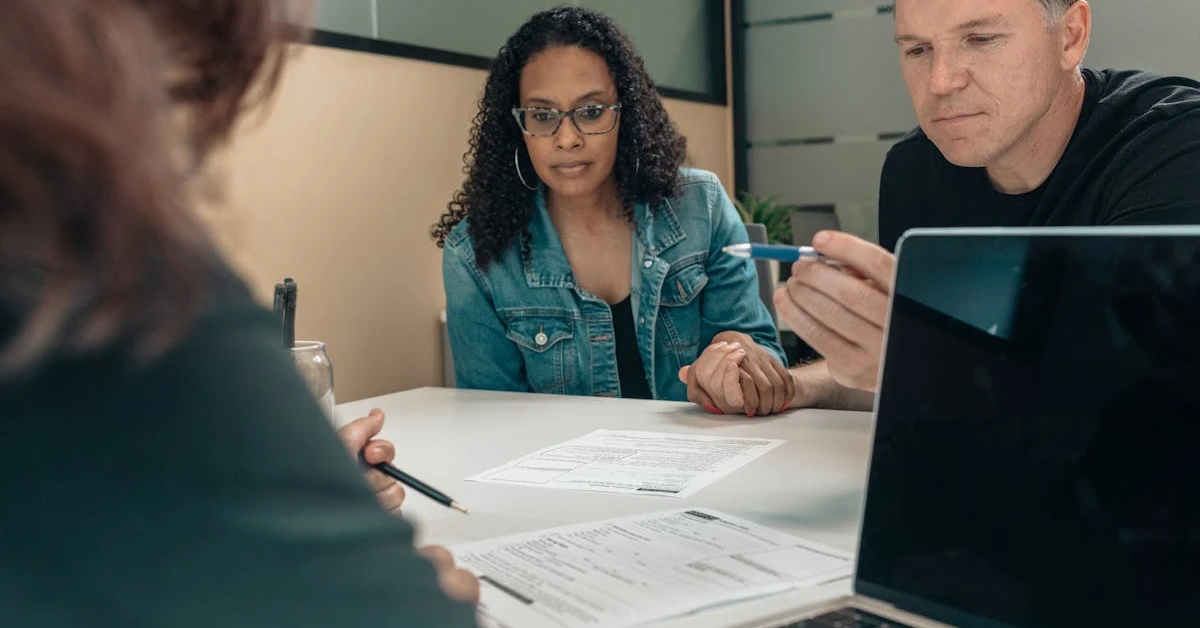
Step 1: Meet with a Licensed Insolvency Trustee for a free consultation. The trustee reviews your situation and examines all debt relief options, including bankruptcy.
Step 2: Complete the required paperwork with the LIT, including a statement of affairs listing everything you own and owe.
Step 3: Your trustee files with the Office of the Superintendent of Bankruptcy. You are formally declared bankrupt, and the stay of proceedings takes effect. Your trustee notifies all your creditors about the bankruptcy.
Step 4: Fulfill your duties by submitting monthly income reports, attending two credit counselling sessions, and making any required payments.
Step 5: Your trustee prepares a report summarizing your financial situation and conduct during bankruptcy. If your duties are complete on time, you may be eligible for an automatic discharge after 9 or 21 months. The discharge is the legal document that releases you from your debts. Once discharged, creditors cannot pursue you for discharged debts.
Most people find the hardest part is making the initial call. Once you start, the process itself is straightforward.
How much does bankruptcy cost in Canada?
The minimum cost is usually $1,800, payable in roughly $200 monthly installments over nine months. This amount covers administrative expenses, filing fees, and trustee fees. There are no upfront costs.
Source: Moses Advisory Group – Cost of Bankruptcy
Your total cost depends on your income and assets. If you earn above the government threshold, you pay 50 percent of the excess as surplus income payments. Surplus income is the portion of your income above the government threshold that you must pay into your bankruptcy estate each month.
| Family Size | Monthly Threshold |
|---|---|
| 1 person | $2,666 |
| 2 people | $3,318 |
| 3 people | $4,080 |
| 4 people | $4,952 |
Source: Office of the Superintendent of Bankruptcy – Directive 11R2, Surplus Income (January 2025)
If your income exceeds the threshold by more than $200, you pay half the difference each month, and your bankruptcy (if filing for the first time) extends from 9 to 21 months. When surplus payments start adding up, a consumer proposal often makes more financial sense.
What debts does bankruptcy eliminate?
Bankruptcy eliminates most unsecured debts owed to creditors, including credit cards, personal loans, lines of credit, payday loans, medical bills and most tax debts.
Some debts survive bankruptcy. These include child support, alimony, court fines, fraud-related debts, and student loans if you have been out of school for less than seven years.
Secured debts, such as mortgages and car loans, are not always affected by bankruptcy. If you want to keep your house or car, continue making the payments to the lender and pay any non-exempt equity to your trustee.
| Debt Type | Discharged? |
|---|---|
| Credit cards | Yes |
| Personal loans | Yes |
| Payday loans | Yes |
| Medical bills | Yes |
| Income tax | Yes |
| Student loans (7+ years) | Yes |
| Student loans (under 7 years) | No |
| Child support | No |
| Court fines | No |
| Mortgage/car loan | Not if keeping the asset |
If you are not sure whether a specific debt qualifies for discharge, ask your trustee during your consultation.
What assets can you keep in bankruptcy?
Bankruptcy does not mean losing everything. Provincial and federal exemptions protect your clothing, household goods, tools of trade, and some retirement savings. Any assets above the exemption limits are sold, with proceeds going to your creditors. Below is a list of exemptions for Ontario.
| Asset | Ontario Exemption Limit |
|---|---|
| Household furniture | Up to $14,180 |
| One vehicle | Up to $7,117 |
| Tools of trade | Up to $14,405 |
| Home equity | Up to $10,783. If any equity in excess of that, the exemption is not applied. |
| RRSPs/RRIFs | Protected (except last 12 months of contributions) |
Source: Government of Ontario – Executions Act, O. Reg. 657/05
If your assets exceed these limits, you have two options. You can pay the trustee the excess amount to keep those assets, or file a consumer proposal instead.
Most people walk into a trustee consultation expecting to lose their car and furniture. In practice, most people keep everything they owned before filing.
How long does bankruptcy last?
The length of your bankruptcy depends on two factors: whether you have filed for bankruptcy before and whether you have surplus income.
| Situation | Duration |
|---|---|
| First bankruptcy, no surplus income | 9 months |
| First bankruptcy, with surplus income | 21 months |
| Second bankruptcy, no surplus income | 24 months |
| Second bankruptcy, with surplus income | 36 months |
Source: Government of Canada – Office of the Superintendent of Bankruptcy, Bankruptcy Discharge
Once you complete all duties, including income reports, counselling sessions, and required payments, you receive a discharge certificate. This document confirms your debts are legally eliminated and that creditors can no longer pursue you.
For most first-time filers without surplus income, bankruptcy is complete in nine months.
How does bankruptcy affect your credit score?
A person who declares bankruptcy is assigned the lowest possible credit rating.
A first bankruptcy remains on your credit report for 6 to 7 years after discharge. A second bankruptcy remains on record for fourteen years.
| Bankruptcy | Time on Credit Report |
|---|---|
| First | 6 to 7 years after discharge |
| Second | 14 years after discharge |
Source: Equifax Canada and TransUnion Canada
If you are considering bankruptcy, you probably already have credit damage from missed payments and collections. Rebuilding credit after bankruptcy is often simpler than rebuilding after years of defaulting on debt repayments
Focus on completing the bankruptcy process rather than worrying about your credit score during those months. Most people who work on rebuilding their credit see meaningful improvement within one to two years after discharge.
Does bankruptcy affect your spouse?
If your debts are in your name alone, your spouse is not affected. Your spouse’s credit and assets remain separate from the bankruptcy.
Joint debts work differently. If you and your spouse both signed for a loan, the creditor will pursue your spouse for the full amount. In that situation, it may be worth considering both of you filing for insolvency.
Jointly-owned assets require special attention. If you and your spouse own a home together, your share of the equity may be affected while your spouse’s share remains protected. Your trustee will explain how joint ownership applies to your situation.
Source: Government of Canada – Bankruptcy and Insolvency Act, Section 67
Your spouse’s finances should not be impacted by your bankruptcy unless you share debt or own assets jointly.
What are the alternatives to bankruptcy?
Bankruptcy is a last resort. Before filing, consider these options:
Consumer proposal
A consumer proposal lets you settle your debt for less than you owe while keeping your assets. Consumer proposals can eliminate up to 80 percent of your debt with fixed monthly payments over up to five years. Only a Licensed Insolvency Trustee can file a consumer proposal.
Orderly Payment of Debts
Orderly Payment of Debts is available only in Alberta, Saskatchewan, Prince Edward Island, and Nova Scotia. The court consolidates your unsecured debts into one payment at 5 percent interest, repaid over up to three years. Unlike a consumer proposal, you repay the full amount you owe.
Quebec has a similar program called the voluntary deposit under the Lacombe Law.
Source: Government of Canada – Orderly Payment of Debts Regulations
Debt consolidation loan
A debt consolidation loan combines multiple debts into a single, lower-interest payment. This option requires good credit and does not reduce the amount you owe.
Debt management plan
A debt management plan is arranged through a credit counselling agency. You repay 100 percent of what you owe, but without interest. Debt management plans provide no legal protection from lawsuits.
Mortgage deferral
If you are struggling with mortgage payments, most lenders offer forbearance arrangements that allow you to pause payments for up to four months. Mortgage deferral buys time but does not reduce what you owe, and interest continues to accrue.
Source: Financial Consumer Agency of Canada – Mortgage Relief Options
A Licensed Insolvency Trustee can help you compare these options and determine which one fits your situation.
Is bankruptcy right for me?
Bankruptcy is worth considering if you owe more than you can realistically repay, your wages are being garnished, or you need a legal fresh start.
Bankruptcy is a public record, but most people never find out about someone else’s bankruptcy. The OSB database requires a paid search for a specific name, so there is no list for neighbours to browse. Your friends and family will not likely know unless you tell them.
Your creditors are notified directly, and the credit bureaus receive their updates from the OSB. Your employer will not be notified unless you are dealing with wage garnishment.
Source: Office of the Superintendent of Bankruptcy – Bankruptcy and Insolvency Records Search
Bankruptcy is a legal tool designed to help you move forward, not to punish you.
Frequently asked questions
Will I lose my house if I file for bankruptcy?
Not necessarily. If your home equity is below the provincial exemption limit, your house is protected. In Ontario, the exemption is $10,783. If your equity exceeds that amount, you must pay the trustee the full amount of the equity to keep your house, or consider filing a consumer proposal instead.
Can I keep my car in bankruptcy?
Yes, as long as your vehicle equity is within the provincial limit. In Ontario, you can keep one vehicle worth up to $7,117. If your car is worth more than the exemption limit, you can pay the difference to the trustee or surrender the vehicle.
Can bankruptcy stop a wage garnishment?
Yes. The moment your trustee files for bankruptcy, a stay of proceedings takes effect. The stay legally stops most wage garnishments, lawsuits and collection calls immediately.
How do I find a Licensed Insolvency Trustee?
The Office of the Superintendent of Bankruptcy maintains a searchable database of Licensed Insolvency Trustees. Most trustees offer free consultations with no obligation.
Source: Office of the Superintendent of Bankruptcy – What is a Licensed Insolvency Trustee
Can I include student loans in my bankruptcy?
Only if you have been out of school for at least seven years. Otherwise, student loans survive bankruptcy, and you remain responsible for repaying them.
What happens to my tax refund in bankruptcy?
Your tax refunds for the year you file and any prior years go to your bankrupt estate. Canada Child Benefit payments are not affected and remain yours throughout the bankruptcy. GST/HST Credits may be impacted depending on where you file your bankruptcy.
How soon can I get credit after bankruptcy?
You can start rebuilding immediately after discharge. A secured credit card is the most common starting point. Most people see meaningful credit improvement within one to two years of active rebuilding.
Can creditors force me into bankruptcy?
Technically, yes, but involuntary bankruptcy is rare. A creditor owed at least $1,000 can petition to make you bankrupt if you have committed an act of bankruptcy, such as failing to pay debts as they come due.
Involuntary bankruptcy rarely happens with personal consumer debt because creditors typically pursue other collection methods first.
Source: Government of Canada – Bankruptcy and Insolvency Act, Section 43
Does bankruptcy affect my ability to rent an apartment?
Landlords can check your credit, and a bankruptcy will appear on your credit report. Some landlords may require a larger deposit or a co-signer. Many landlords focus on your current income and rental history rather than on past financial problems.
Can I travel while bankrupt?
Yes. Bankruptcy does not prevent you from travelling. You do not need to surrender your passport. If you plan to travel, inform your trustee so you can continue meeting your monthly reporting obligations and any other meetings you may have to attend in person.
Talk to a Licensed Insolvency Trustee
If you are struggling to make ends meet and you’re not sure what to do next, talk to a Licensed Insolvency Trustee. We help Canadians across Alberta, Ontario, British Columbia and beyond resolve their debt problems.
Consultations are free and confidential. Your trustee will review all options with you before recommending bankruptcy.
Have questions about debt?
Talk to a Licensed Insolvency Trustee. It’s free and confidential.
4.8 ★ on Google 180+ reviews